
City-led planning
Workforce scope aligned with Makkah operating conditions
City workforce support
Employer guide to planning front office, bell desk and guest support for Makkah hotels under an eligible Ajeer arrangement, with workload, screening, supervision and roster controls.
Employer-facing manpower supply and workforce support for Makkah operations.
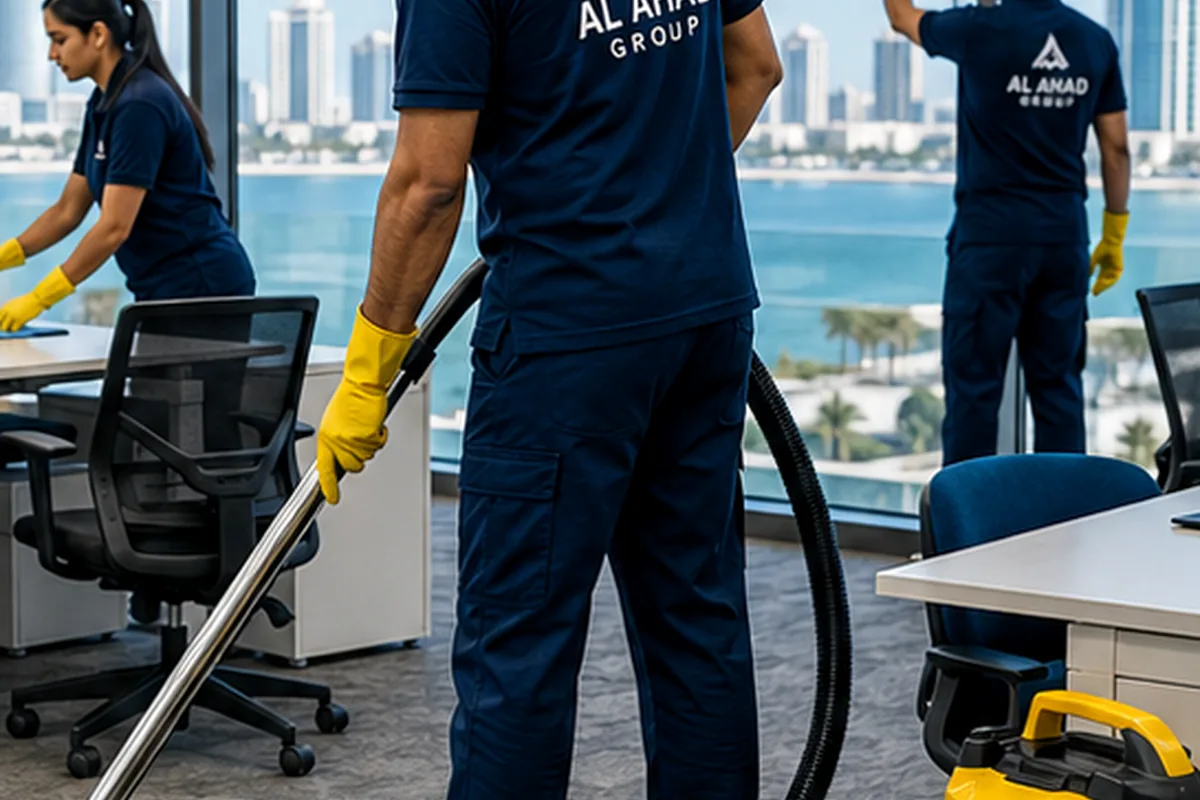
A useful Makkah requirement starts with measurable workload, not a general request for hotel workers. Calculate the team from group arrivals, departures, luggage volume, room readiness, queue length, transport dispatch, guest requests, mobility assistance and lost-property movements. Separate baseline occupancy from arrival or departure peaks, large groups, banquet activity, weekly-off relief and absence cover. Show the quantity needed for each shift and work zone, the productive hours after breaks and transport, and the supervisor span. This makes the service proposal testable and helps the hotel compare actual output with the roster without treating Ajeer as a guarantee of supply or performance.
Use group arrivals, departures, luggage volume, room readiness, queue length, transport dispatch, guest requests, mobility assistance and lost-property movements to calculate the shift requirement.
Assess professional conduct, clear communication, luggage handling, privacy, queue guidance, basic property knowledge, mobility assistance and escalation discipline before property access.
Document guest-data boundaries, luggage tags, storage-room access, transport coordination, cash and tip policy, uniform standards, language allocation and complaint escalation for the named hotel.
Verify the applicable service, worker, occupation, beneficiary, site and dates before duty.
The proposed team may include bell attendants, luggage assistants, lobby hosts, queue coordinators, guest-service runners, concierge support and front-office support staff. Keep tasks and acceptance evidence separate for each role. Screening can combine experience review, structured questions, document checks and a practical assessment suited to the actual duty. Important competence areas include professional conduct, clear communication, luggage handling, privacy, queue guidance, basic property knowledge, mobility assistance and escalation discipline. The Ajeer record addresses temporary work authorization under the applicable service; it does not replace a skill assessment, professional credential, food-safety requirement, equipment authorization or the hotel's own access approval.
Use expected arrival time, group size, transport type, luggage volume, reception capacity, room readiness and departure sequence to plan bell and lobby support. Separate luggage unloading, tagging, storage, delivery, queue guidance and transport dispatch. Assign a coordinator for large groups so workers do not receive conflicting directions from drivers, guides and hotel staff. Late vehicle arrivals and rooms not ready should trigger the agreed holding plan rather than uncontrolled luggage movement through guest areas.
Temporary support staff should receive only the information needed for their task. Define who may view room numbers, group lists, transport details or identity documents, and prohibit personal copies or photographs. Use luggage tags and storage logs, restrict access to holding rooms and record unclaimed items. Cash, valuables and guest documents require immediate referral under hotel policy. A worker's friendly guest contact does not grant authority to make room, transport, refund or booking decisions.
Forecast wheelchairs, elderly groups, families, language needs and long walking routes at arrivals and departures. Train workers in respectful assistance boundaries and the point at which medical, security or management support is required. Allocate language capability by shift without claiming fluency that has not been checked. Keep entrances, ramps and evacuation routes clear while managing queues. The supervisor should record unresolved requests and ensure the next shift knows which guests or groups still need support.
This cluster is designed around pilgrimage-season occupancy, rapid room turnover, Haram-area movement, controlled hotel access, transport windows and phased seasonal demobilization. Ramadan, Umrah and Hajj demand can rise in waves. Hotels should forecast pre-arrival preparation, occupied-room service, meal periods, public-area traffic, departure turns and post-peak recovery separately. Makkah rosters must allow for congestion, walking distance, restricted access, transport pickup windows, prayer-time movement, meal breaks, hydration, rest and relief cover. The worker count is useful only when the team can reach the assigned property and start safely on time. Service instructions should respect pilgrim needs, privacy, lost-property controls, family and group movements, language support and the hotel's escalation procedure for vulnerable guests.
Map this role against the hotel's actual Ramadan, Umrah or Hajj operating calendar. Use group arrivals, departures, luggage volume, room readiness, queue length, transport dispatch, guest requests, mobility assistance and lost-property movements to identify when preparation starts, which days require the highest coverage, when late check-outs or early arrivals overlap and when the roster can reduce. For every phase, show the property, work zone, shift, provider supervisor and relief quantity. Include the time needed to issue uniforms, brief the team, move staff through controlled entrances and recover from the peak. This phased calendar prevents the hotel from treating the full-season date range as one constant workload and gives the provider a realistic basis for transport, accommodation and worker-support planning.
A worker who is available in accommodation is not yet ready for a Makkah hotel shift. Document the pickup point, travel window, vehicle or walking route, controlled entrance, screening point, staff lift, changing area and final reporting position for the assigned team. Connect those steps to guest-data boundaries, luggage tags, storage-room access, transport coordination, cash and tip policy, uniform standards, language allocation and complaint escalation. Add contingency time for congestion and restricted movement, but do not extend working hours informally to recover a transport delay. The provider supervisor should confirm the arrival roster and notify the hotel of missing people before duties are reassigned. Separate sheets are needed when the arrangement involves more than one hotel or support facility.
High room occupancy and continuous guest movement can create fatigue if breaks, meals and relief are not built into the plan. Size the Makkah team with realistic rest, hydration, prayer, transport and handover time, then identify the relief workers who can cover known gaps. Supervisors should watch for heat exposure, unsafe rushing, repeated overtime, missed meals and work outside the reviewed occupation. The hotel's service target should not depend on workers giving up rest or moving between unverified properties. Record welfare concerns and correct the roster early, because late intervention can affect workers, guest experience and the stability of the remaining seasonal operation.
The end of a pilgrimage peak may not be the end of the hotel's work. Plan departure-room recovery, public-area restoration, linen reconciliation, equipment return and pending maintenance before reducing the team. Release workers by department and property only after attendance, incidents, guest items, uniforms, access cards and provider records are reconciled. A strong performer can be considered for a future season, but the next assignment still requires a fresh eligibility and document review. This controlled reduction protects the final guest days and avoids leaving workers on an operating roster after the authorized temporary period or moving them to another property without review.
Induction should cover the assigned hotel, reporting point, supervisor, duty zone, guest-area conduct, emergency contacts, restricted areas, equipment, PPE, welfare and incident reporting. For this role, add guest-data boundaries, luggage tags, storage-room access, transport coordination, cash and tip policy, uniform standards, language allocation and complaint escalation. Check that access expires with the authorized period and that relief workers receive the same review before joining. First-shift readiness should be signed by the provider supervisor and the hotel contact responsible for the service area.
The guest-support handover should list pending luggage, transport calls, mobility requests, unresolved complaints, lost property and group movements expected during the next shift. Attendance, overtime, service exceptions and replacements should be recorded against the same shift reference. When relief is required, verify the incoming worker, occupation, beneficiary, hotel, dates and induction before access. The replacement should not use the departing worker's credentials or rely on an informal message as evidence of authorization. Repeated absences or performance problems should follow the agreed escalation route without bypassing worker rights or the applicable official process.
The commercial agreement and Ajeer authorization are separate controls. Verify the applicable service, worker, occupation, provider, beneficiary Makkah hotel, location and dates before duty. Under the cited outsourcing model, the service-providing establishment should maintain direct supervision. Allocate accommodation, transport, meals, rest, overtime, uniforms, PPE, emergency support, complaints and return arrangements. Workers should understand their terms and should never pay unauthorized recruitment, registration or placement charges. A quotation does not guarantee eligibility, approval, availability or a fixed joining date.
Name the Makkah property, department, work zones, operating dates and service result.
List bell attendants, luggage assistants, lobby hosts, queue coordinators, guest-service runners, concierge support and front-office support staff, quantities, hours, breaks, relief and provider supervisors.
Document experience, role checks, professional conduct, clear communication, luggage handling, privacy, queue guidance, basic property knowledge, mobility assistance and escalation discipline and any required credentials.
Allocate access, induction, uniforms, PPE, tools, transport, accommodation, meals and welfare.
Match each worker, occupation, provider, beneficiary property, site and temporary period before duty.
Record replacements, extensions and property changes; remove access and reconcile records when the assignment ends.
No. The commercial agreement does not replace eligibility checks, the correct Ajeer service, accurate worker and establishment data, and the official approval process.
Do not assume so. Verify that the approved arrangement covers every actual beneficiary property, location, occupation and period before moving the worker.
Under the cited outsourcing model, the service-providing establishment should keep direct supervision visible while coordinating the hotel's service and safety standards.
No. Temporary work authorization and role competence are different. The provider and hotel still need proportionate screening, induction and task authorization.
Send the hotel, service area, bell attendants, luggage assistants, lobby hosts, queue coordinators, guest-service runners, concierge support and front-office support staff, quantity by shift, dates, role standards, access conditions, supervision and responsibility split.
City workforce support
AL AHAD GROUP JOB SEEKER UPDATES
Follow the AL AHAD GROUP Saudi job channel for vacancy announcements and practical job-seeker guidance. Following the channel does not guarantee shortlisting, selection, visa processing or employment.